

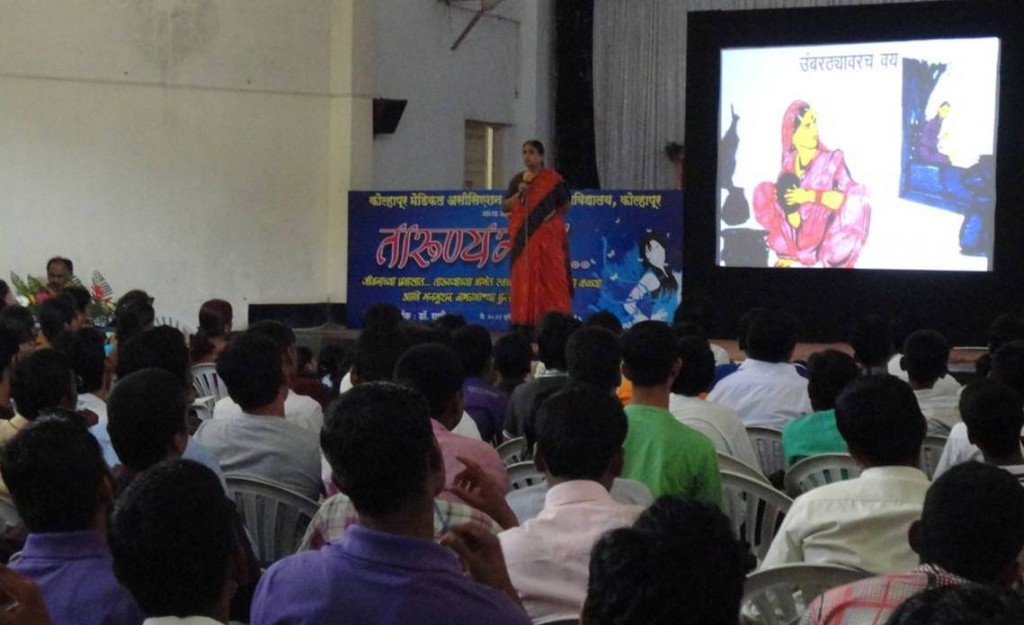
What is the propose:
Maharashtra state has nearly 20 million adolescents and youth. Lack of scientific information on sexual and reproductive health with the youth and adolescents is a major health constrains leading to unhealthy behavior and associated physical, psychological and social morbidities. These include social and physiological issues such as unmarried motherhood, reproductive health problems such as related to menstruation, misconceptions of friendship, love and relationship, sexual abuse and violence as well as STIs / STD. There is lack of systematic efforts and programs to deliver scientific information in a culturally appropriate context in the state of Maharashtra. Similarly there is lack of proven programs which can be scaled up to reach more number of youth.
Hence a program for sexual and reproductive health for youth was designed by SEARCH in 1995 to address the lack of channel of availability of scientific information as well as develop and test the methods for scaling up the proven methods. Based on the experience gained, SEARCH had developed a module called SRHEYA (Sexual and Reproductive Health Education for Youth and Adolescent) This 3 day SRHEYA module (please see annex 1 for the contents and training methods of the module) is very popular in not only Gadchiroli but also in several districts and cities of Maharashtra where a number of SHREYA camps were held on invitation. The methods used are varied and found to be effective.
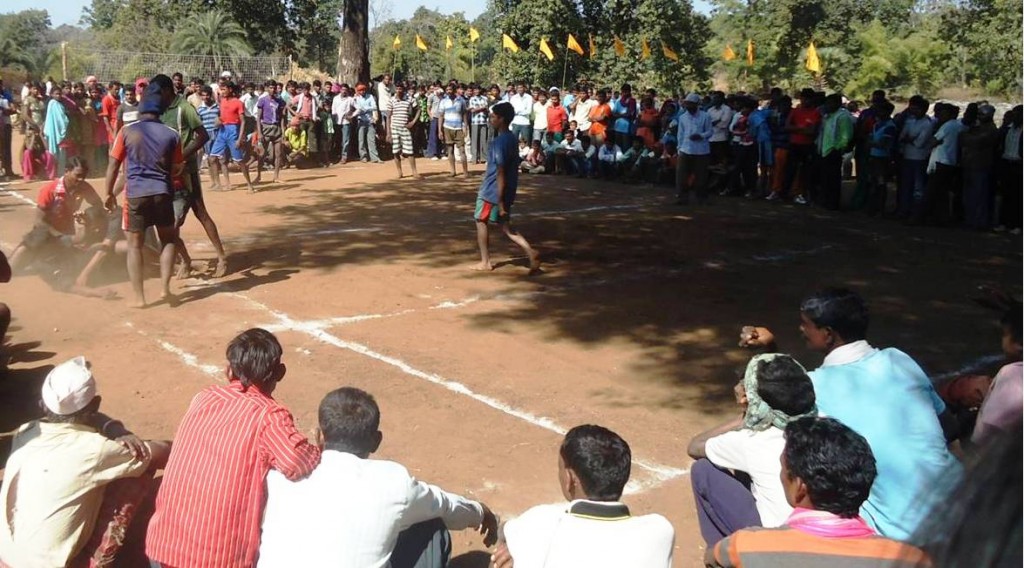 The effect of this module on the knowledge of the participants was also measured and in several such measurements a definite increase in the knowledge level was observed both during camps.
Who are the key beneficiaries?
- Youth and adolescent in Maharashtra – potentially 20 million
- Parents of the youth and adolescents
- Other NGOs
- Educational institutions
- MAVIM – Self Help Group (SHG) federations in Maharashtra
- Youth groups
- Professional associations of medical professionals from towns
Educational content of the SRHEYA module 3 days:
- Becoming a youth – changes in body and mind.
- Different types of relationships, love, responsibility
- Our body : structure and functions of sexual and reproductive organs
- Menstruation – science, hygiene, misunderstandings
- Masturbation
- How does conception occur, gender of the foetus, social consequences of female foeticide
- Infertility
- Pregnancy – science, danger signs, needs and care, responsibility of man
- Healthy sexual relationship
- Unsafe sex, irresponsible sex, teen age pregnancy
- STDs and AIDS
- Menopause, how does the woman feels, her needs.
- Cancer – of breast, uterus, mouth, role of tobacco
- Married life – equal partnership, respect and responsibility, how to nurture relationship. How to select the life partner ?
- Gender – sensitivity, respect, equality
- Contraception – science, application, methods, abortion.
- Self-development – self-esteem, confidence, communication, leadership
- Misuse of mobile and internet
Nearly 8 hours of educational inputs are given every day. The methods used are:
- Pre and post training questionnaire filling
- Group games for icebreaking
- Explaining the aims of the training. Also explaining the value premises and assumptions (gender equality, individual’s freedom to choose and be responsible, value of science and openness)
- Power-point presentations
- Films
- Individual and group exercises
- Experience sharing
- Songs, dances
- Storytelling, case studies
- Feedback
- Individual counseling if needed
